The 4th Albanian Rural Parliament – Rural Albania on the Path to the EU
Bringing together 300 stakeholders to shape the future of rural communities through dialogue, partnership, and EU integration.
From 25 to 27 March, the Albanian Network for Rural Development, in collaboration with the municipalities of Lezhë and Mirditë, successfully convened the 4th Albanian Rural Parliament.
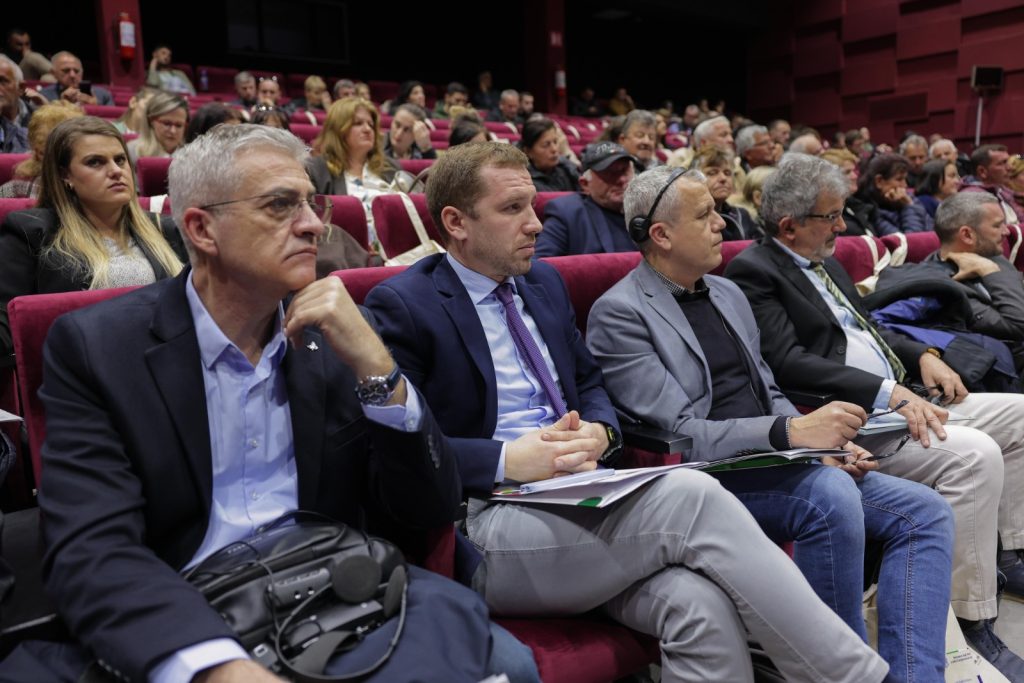
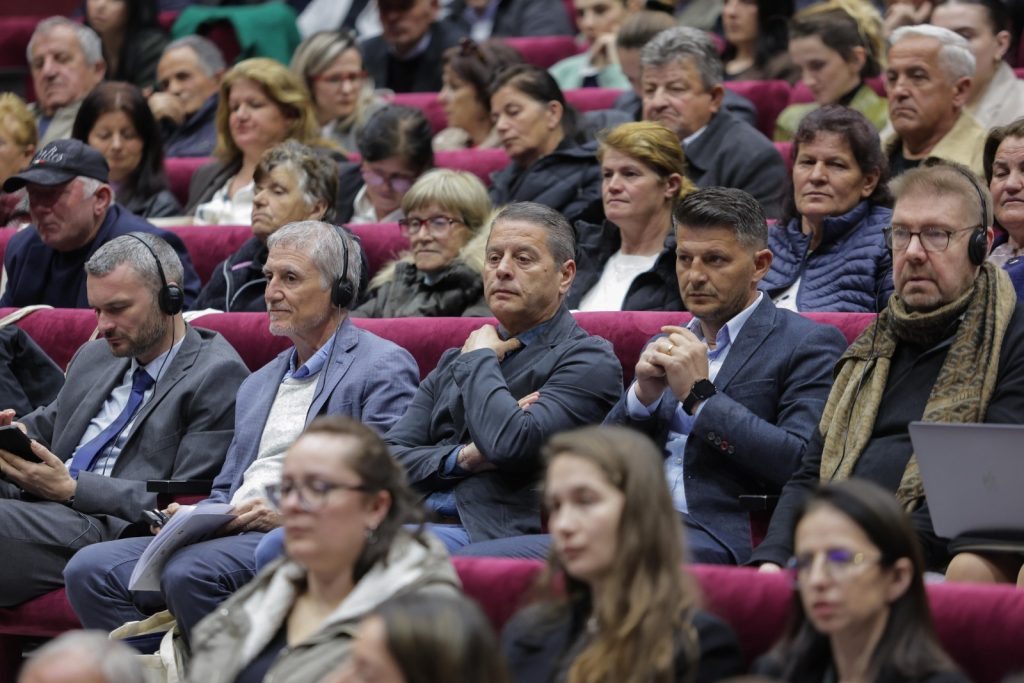
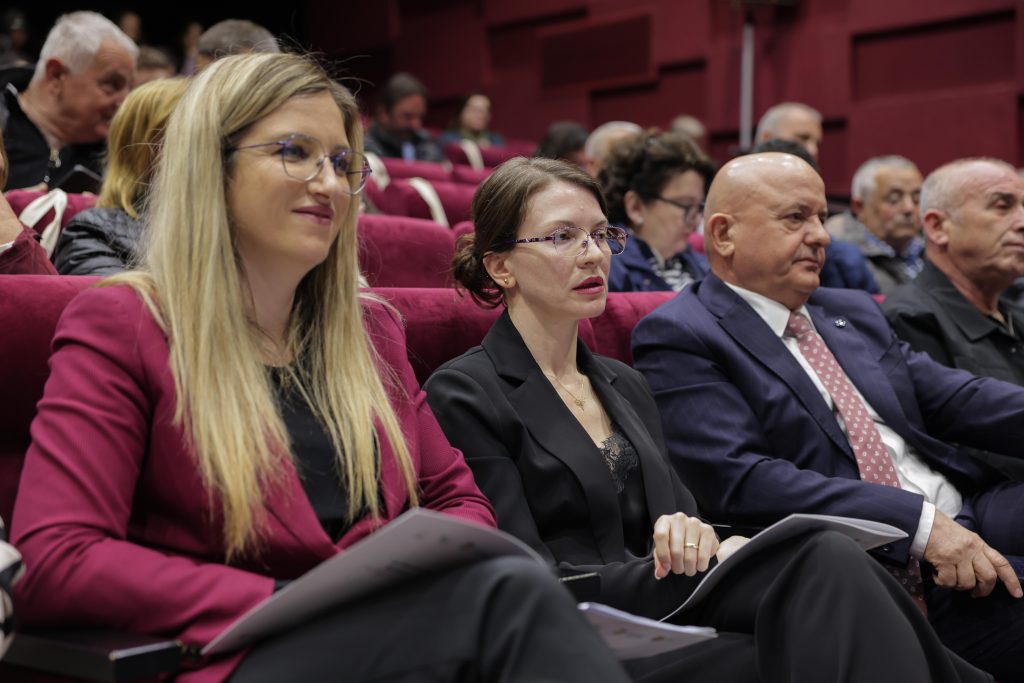
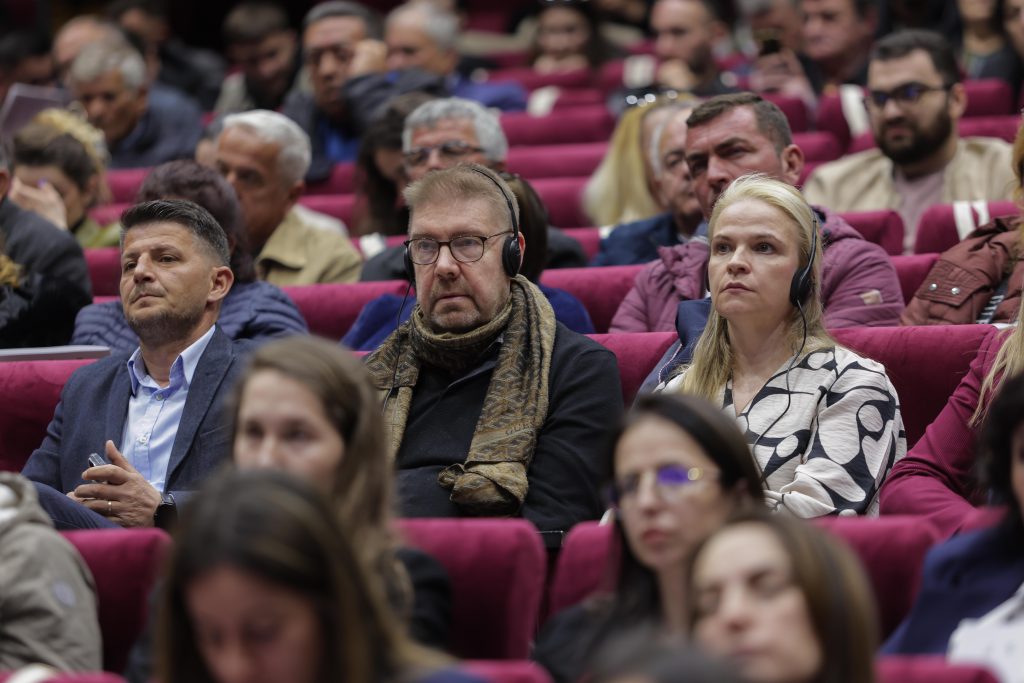
The event brought together around 300 participants from 61 municipalities across Albania, including farmers, youth, women, civil society representatives, local authorities, academia, and development partners. It served as a national platform to discuss the future of rural communities and explore how Albania’s EU integration process can translate into tangible opportunities at the local level.
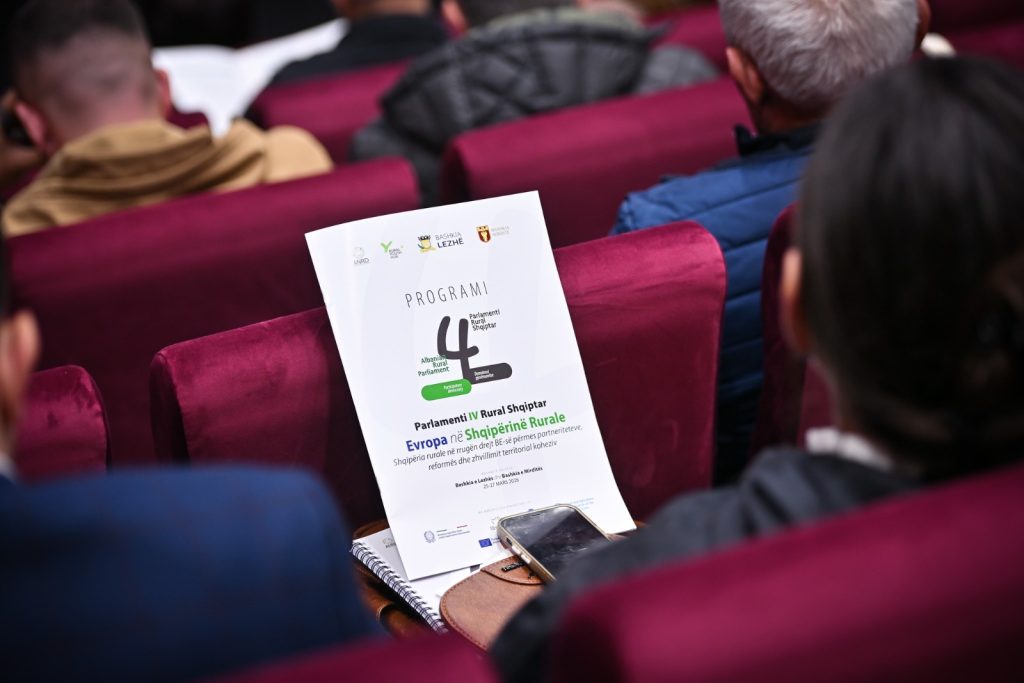
The Albanian Rural Parliament continues to stand as a well-established bottom-up advocacy platform that fosters dialogue, cooperation, and joint action among key stakeholders. This year’s edition, held under the theme “Rural Albania on the path to the EU through partnerships, reforms, and cohesive territorial development”, emphasized the importance of inclusive approaches and practical solutions grounded in the realities of rural life.
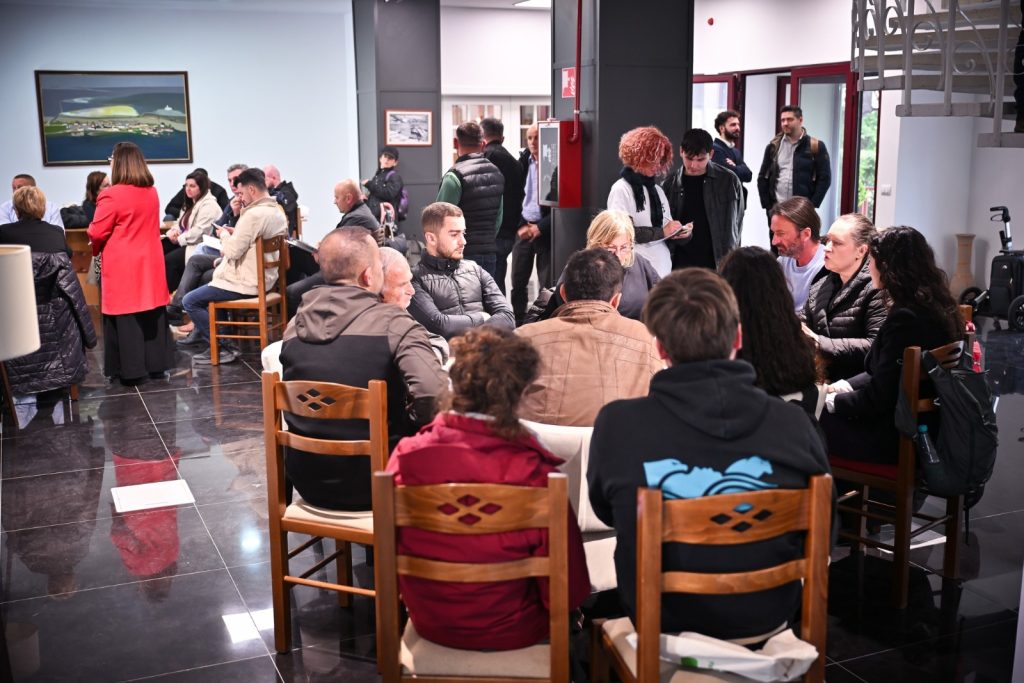
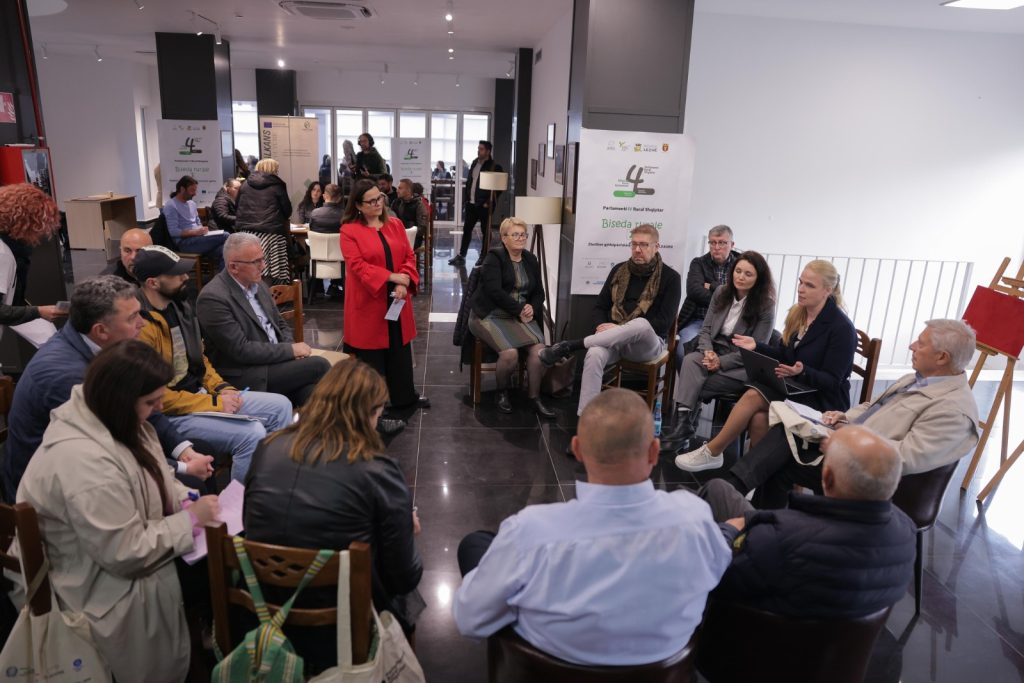
The three-day programme combined a territorial dialogue event, plenary discussions, and participatory thematic workshops, creating space for participants to exchange experiences, identify challenges, and highlight successful local initiatives.
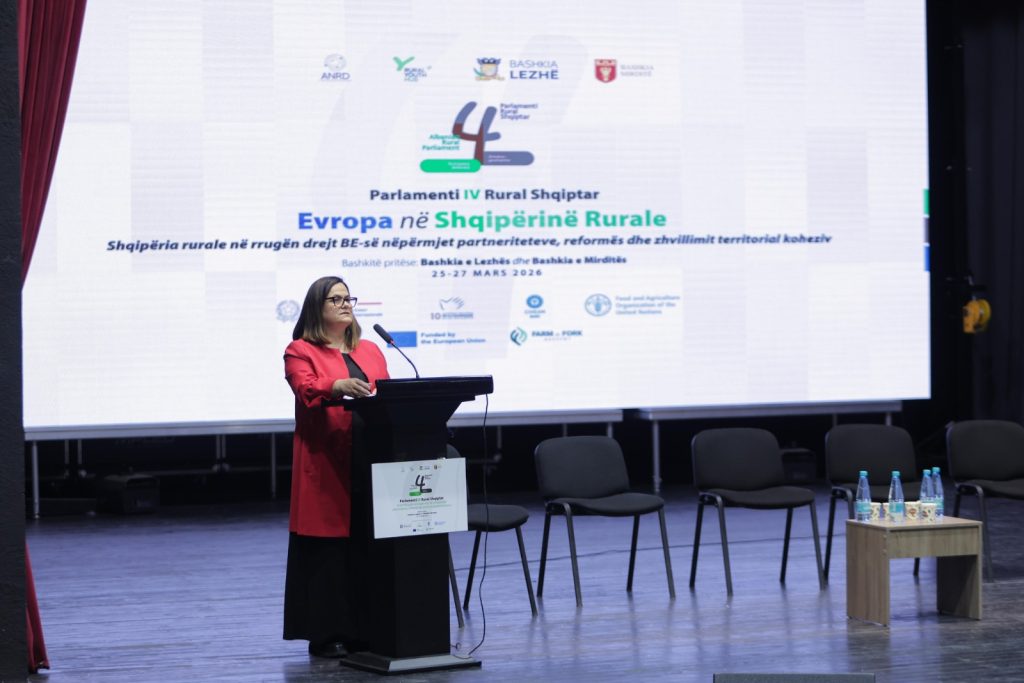
In her opening remarks, Ms. Evelina Azizaj, National Coordinator of ANRD, stressed that European integration is a shared responsibility that cannot be achieved by a single actor. She underlined the need for genuine partnerships across institutions, communities, and development actors. Referring to the symbolic significance of Lezhë, she noted that its historical legacy of unity reflects the spirit required for Albania’s path toward the European Union.
The Parliament commenced in Mirditë with a territorial event focused on strengthening synergies for community-led local development through the LEADER approach. This first day laid the foundation for concrete collaboration and supported local efforts toward the establishment of Local Action Groups. Mr. Sotiraq Hroni, Chairman of the ANRD Board, emphasized the concrete ambition to establish Local Action Groups in Mirditë, Lezhë and Zadrima, stressing that these territories hold strong potential, but that meaningful local development must be driven by communities themselves, not imposed from the top down.
High-level representatives reaffirmed their support for Albania’s rural transformation and EU integration process. Ms. Eranda Selmanaj, representative from the Ministry of Agriculture and Rural Development emphasized that EU integration opens new opportunities for farmers, while also requiring preparation to meet standards and improve competitiveness. She highlighted ongoing efforts to inform and support farmers and encouraged municipalities to engage in establishing Local Action Groups.
Prof. Fatbardh Sallaku, Rector of the Agricultural University of Tirana, underlined that partnerships are not a simple solution, but a necessary one, reaffirming the university’s commitment to supporting rural development through knowledge, research, and collaboration.
Representatives from international partners also contributed to the discussions. Mr. Andrea Ferrero from European Union Delegation to Albania reiterated EU continued support for Albania, not only through legislative alignment but also through concrete measures benefiting rural communities. Mr. Franco Turri, te Italian Agency for Development Cooperation (AICS) representative expressed confidence that the outcomes of the Parliament will contribute to more inclusive and effective agricultural and rural policies. Mr. Raimund jehle, FAO Albania representative, highlighted FAO contribution to the Parliament across key thematic areas, including sustainable agriculture, LEADER/CLLD, digital innovation, and family farming.
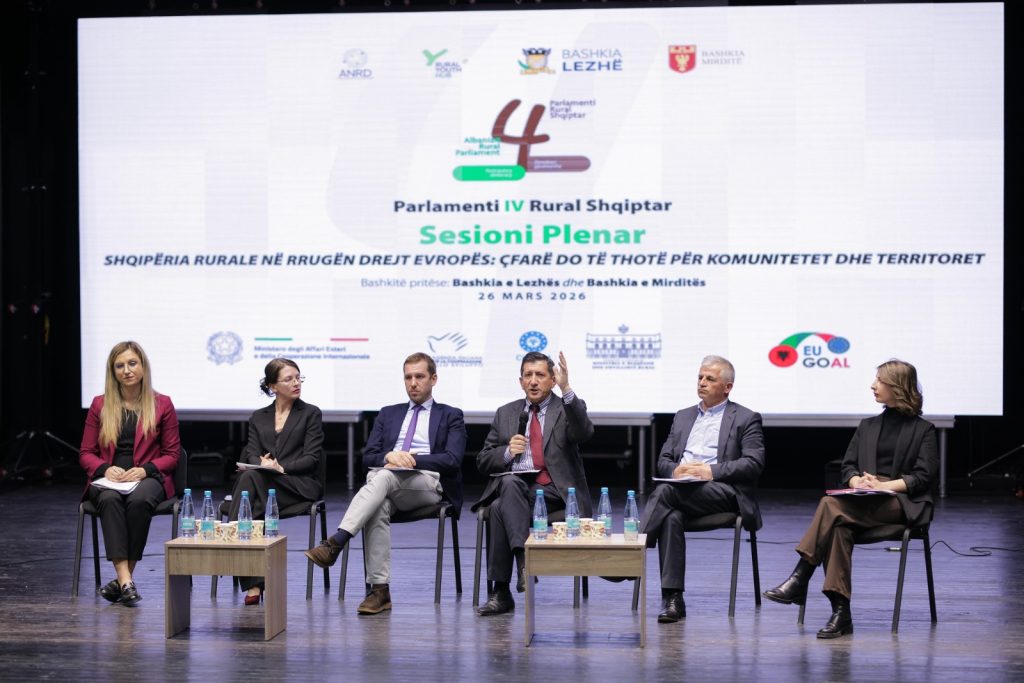
The plenary session, titled “Rural Albania on the Path to Europe: What It Means for Communities and Territories,” set the overall vision and policy context of the Parliament. A diverse panel representing government, academia, local authorities, producers, youth, and development partners discussed Albania’s current position in relation to EU reforms and explored how European policies and instruments translate into opportunities and responsibilities at the local level.
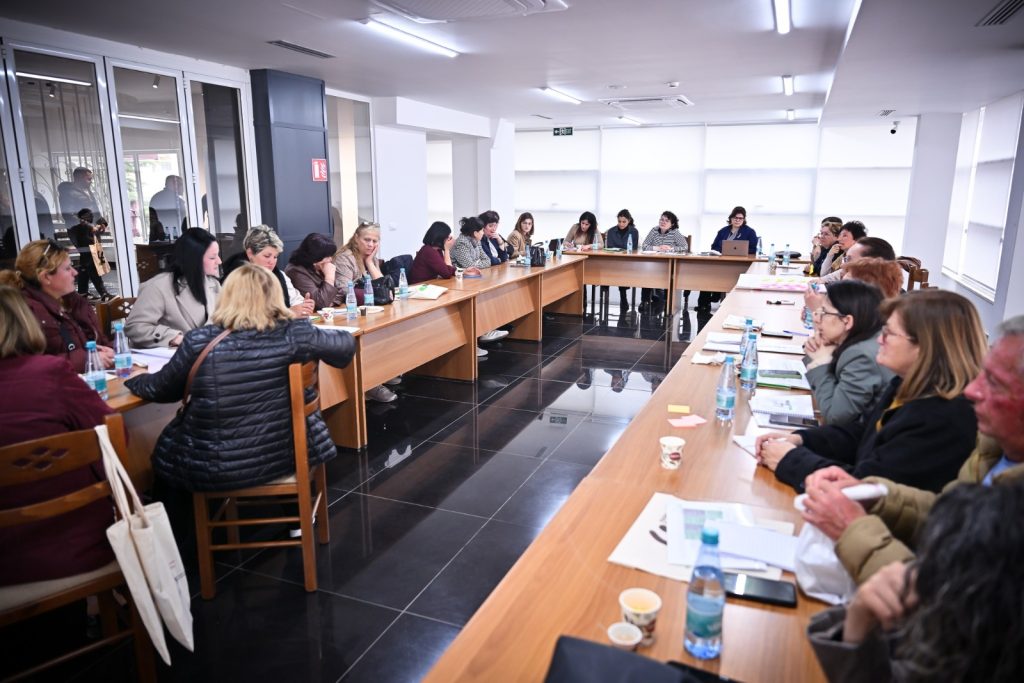
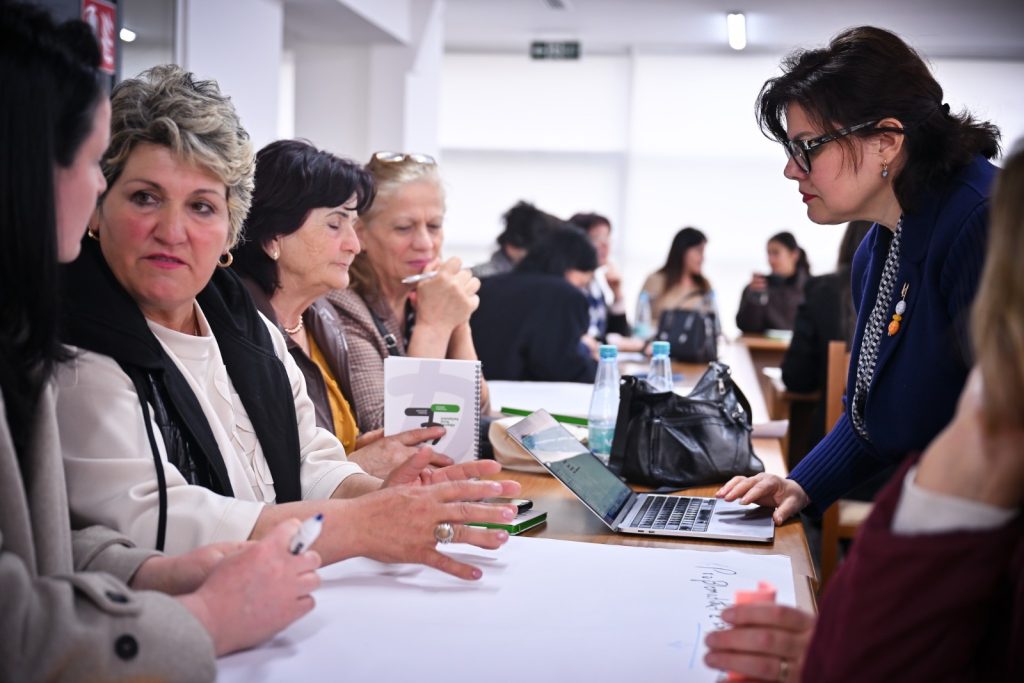
The discussions continued through thematic workshops known as “Rural Talks,” which focused on key topics such as sustainable agriculture and green transition, digitalization and innovation, women’s empowerment, family farming, pastoralism, and community-led local development. These participatory sessions enabled stakeholders to identify concrete challenges and formulate actionable recommendations aimed at strengthening rural economies and improving livelihoods.
The Parliament concluded with the presentation of key messages and recommendations emerging from the seven Rural Talks. From community-led local development and sustainable agriculture to women’s empowerment, innovation, and family farming, a clear message emerged: effective rural development requires bottom-up solutions, strong partnerships, and policies grounded in local realities.
The closing session emphasized the shared responsibility of institutions, communities, and development partners to work together in translating dialogue into action. As a national platform for advocacy, exchange, and co-creation, the Albanian Rural Parliament continues to play a crucial role in bringing rural voices closer to policymaking and advancing Albania’s path toward European standards.
As a follow-up, the outcomes of the Parliament will be consolidated into a Joint Declaration, which will be shared and discussed with the Ministry of Agriculture and Rural Development and other public and non-public stakeholders, and will serve as a basis for institutional dialogue, including engagement with the relevant parliamentary committees.
Acknowledgements
This activity was organized by the Albanian Network for Rural Development and financially supported by:
• the project “Institutional Support to Albania in the Agriculture and Fisheries Sectors towards EU Accession – EU GoAL,” funded by the Italian Ministry of Foreign Affairs and International Cooperation through the Italian Agency for Development Cooperation (AICS), and implemented by CIHEAM Bari;
• the Food and Agriculture Organization of the United Nations (FAO), through key programmes such as Business, Partnerships and Solutions for SDGs (B4SDGs), Digital Agriculture and Rural Transformation in Albania (DART), and Support to improved land management and local rural development in the context of EU accession;
• the regional project “Farm to Fork Academy for Green Western Balkans – Our Shared European Future,” financed by the European Union and jointly implemented by the National Rural Development Networks in the six Western Balkan countries and Croatia, together with their regional cooperation platform, the Balkan Network for Rural Development.
-
- IV Albanian RURAL Parliament
-
- IV Albanian RURAL Parliament
-
- IV Albanian RURAL Parliament
-
- IV Albanian RURAL Parliament
-
- IV Albanian RURAL Parliament
-
- IV Albanian RURAL Parliament
-
- IV Albanian RURAL Parliament
-
- IV Albanian RURAL Parliament
-
- IV Albanian RURAL Parliament
-
- IV Albanian RURAL Parliament
-
- IV Albanian RURAL Parliament
-
- IV Albanian RURAL Parliament